You cancel a workout because of period pain. Choose clothes around how bloated you might feel. Get through another workday despite feeling exhausted.
Each adjustment can seem small. Over time, they become routine. You know how to manage your symptoms, but it gets harder to remember what life felt like without working around them.
For women balancing careers and caring responsibilities, there may be little space to question that routine. Being able to keep going can make it harder to recognise how much support you need.
Hema Prakash, our latest guest on the Raise the Bar podcast, saw 42 doctors while trying to understand changes in her body, including debilitating joint pain, heavy bleeding and weight gain. She later co-founded Ponti Health, creating the women’s health clinic she had struggled to find.
Her experience raises a useful question: what have you learned to accept simply because you’ve found a way to cope?
Recognise what you have changed to cope
When you’ve lived with symptoms for years, “How are you feeling?” can be surprisingly difficult to answer. Your usual level of tiredness or pain may have become your reference point.
Looking at what you do differently can make the impact clearer. Consider:
- What have you stopped doing because of how you feel?
- What now takes more effort or planning?
- What do you regularly cancel, avoid or worry about?
- What would you like to be able to do more comfortably?
For Hema, joint pain meant she stopped training. Raise the Bar co-host Ariel Comeau also described choosing baggy clothing because she couldn’t predict how uncomfortable her gut symptoms would make her feel.
These are concrete changes to everyday life. They give you something to explain beyond “I haven’t been feeling right”. You can still be doing your job and caring for your family while finding daily life much harder than it used to be.
Bring the whole picture into the appointment
It’s understandable to focus on whichever symptom feels most urgent. But if each appointment covers a single concern, other changes may never enter the conversation.
Hema’s experience involved several concerns at once. Her frustration was that they weren’t being considered together.
Before an appointment, write down the changes you want to discuss. Include when they started, whether you’ve noticed a pattern and how they affect your day. If something regularly changes around your period, include that observation too.
You don’t have to decide which details are connected. Giving your doctor the fuller picture allows them to assess what may need exploring together and what may need separate attention.
The same applies to how you’re feeling mentally. If changes in mood or concentration are affecting you alongside physical symptoms, include them in the discussion.
Explain the impact without needing a diagnosis
You don’t need medical terminology to describe your experience. Hema reflected that part of her difficulty was not knowing what to say. She had assumed heavy periods were something she simply had to manage.
A starting point might be:
“I’ve been working around this for a while, but it’s affecting my day more than I’ve explained. I’d like to talk through everything that has changed.”
Then use specific examples. “The pain means I’ve stopped training” communicates more than “My periods are difficult”. “I’m struggling to concentrate in meetings” explains how a change is affecting your work.
Being clear about the impact gives the conversation a direction without requiring you to arrive with an explanation for the cause.
Make room for an ongoing healthcare relationship
One appointment may be the beginning of understanding what’s happening. Follow-up gives you an opportunity to discuss results, changes and questions that emerge.
Hema places particular emphasis on continuity with a primary care provider: someone who can get to know your history and build on previous conversations. That relationship also needs room for you to explain your experience and ask questions.
When booking, tell the practice you have several concerns and ask what appointment length would allow time to discuss them. During the appointment, clarify the next steps and when to follow up.
Continuity is valuable when you feel heard and can access the care you need. If concerns remain unresolved, explain what still hasn’t been addressed and ask about the options for further assessment or another opinion.
Give your own health a place in the week
Finding time for an appointment can be difficult when your calendar is organised around work and other people’s needs. Follow-up can be just as easy to postpone.
Hema acknowledged that even while building a health business, she put her own exercise last. Knowing something is important doesn’t automatically create space for it.
Look at what is regularly getting pushed aside. You might need to ask for help with a family responsibility, protect time for an appointment or leave part of the weekend unplanned.
There is no single routine that works for everyone. The aim is to give your health enough space that it doesn’t depend entirely on having time left over.
Listen to the full episode
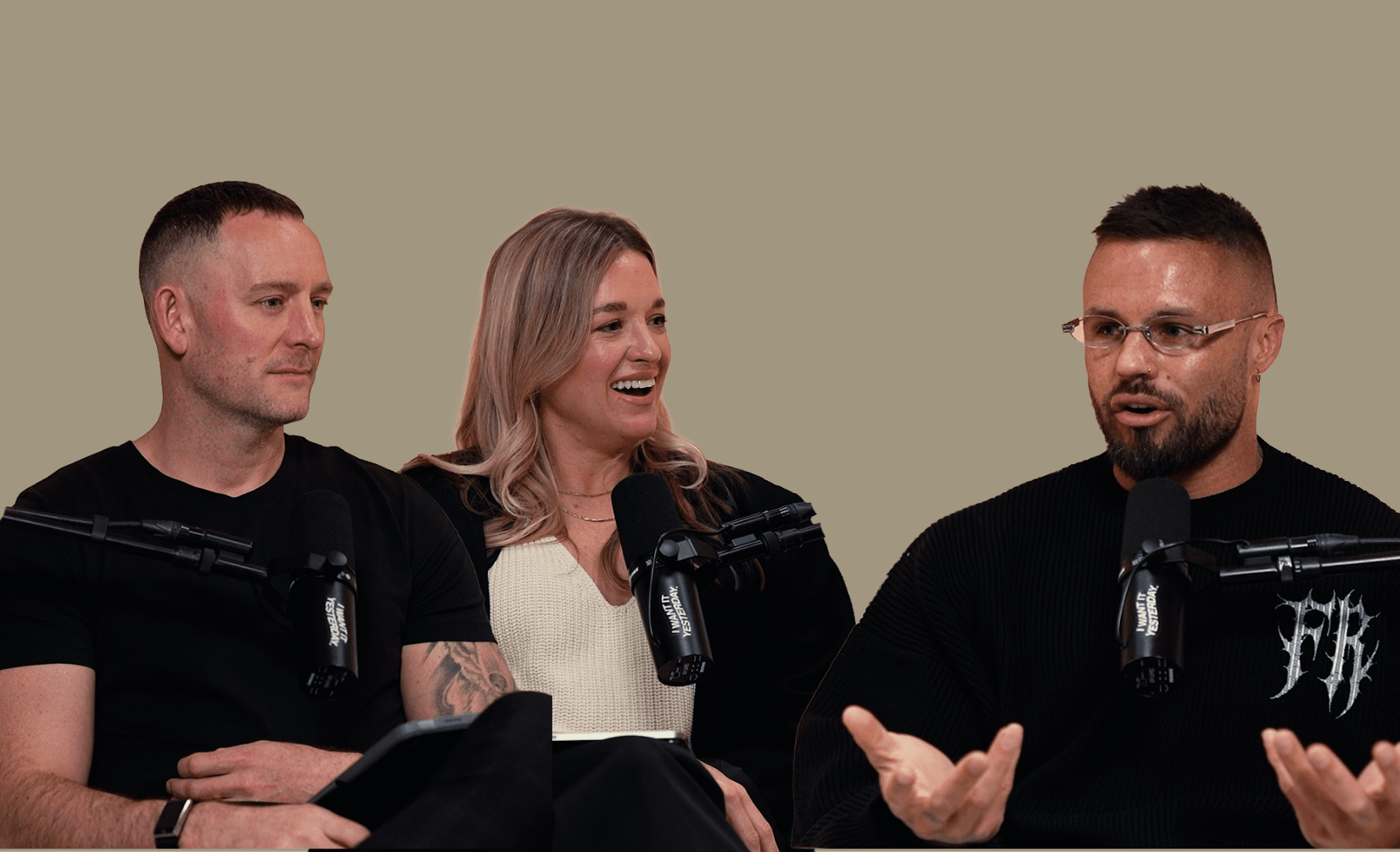
In her Raise the Bar conversation with Ariel Comeau and Matt Duncan, Hema Prakash explores the personal and professional cost of women feeling unwell, what she means by “slow medicine” and how patients and healthcare professionals can work together.
Find it on Spotify, Apple Podcasts, and YouTube.
TL;DR
(Too long, didn’t read)
- Look at what you’ve stopped doing or changed to accommodate symptoms. Coping can hide their impact.
- Bring the full picture to your doctor, including physical changes, mood and effects on everyday life.
- Describe what you’re experiencing without feeling you need to supply a diagnosis.
- Ask for enough appointment time and clarify the next steps, including follow-up.
- Give appointments and your own health needs a place in the calendar alongside other responsibilities.
Now, it's your turn.
Want this straight to your inbox? Sign up to the OneCoach Weekly to get practical tools and tips to take your training, health, and wellbeing to the next level.
And as always, if you need some support to make that happen, our coaches are ready to help. Enquire here.