Ice baths. Wearable technology. Red light therapy. Supplements. Biological age testing.
Biohacking has become a growing part of the health and wellness conversation, with new technologies and treatments promising to help us sleep better, recover faster and live longer.
But what actually counts as biohacking? Does it work? And do you need an expensive routine to benefit from it?
According to biohacking coach, author and speaker, Camilla Thompson, it can be much simpler than you think.
What Is Biohacking?
Biohacking is a broad term for making intentional changes to your lifestyle, habits or environment to influence how your body functions. The goal might be to improve sleep, increase energy, support recovery, enhance performance or stay healthier as you age.
On an episode of Raise the Bar, Camilla challenges the idea that biohacking is reserved for people with access to expensive technology and specialist treatments.
For Camilla, prioritising your sleep, nutrition, movement and mindset already counts as biohacking. You don't need a red light therapy bed or hyperbaric chamber to start making changes that support your health, although they can have their benefits.
She also introduces the concept of healthspan: the years of your life spent in good health, rather than simply the total number of years you live. It's an important distinction; the goal isn't necessarily to live as long as possible, but to maintain your health, independence and quality of life as you get older.
Does Biohacking Actually Work?
That depends on the intervention.
Biohacking isn't a single treatment. It's an umbrella term covering everything from established health practices to emerging technologies.
Regular exercise, adequate sleep and balanced nutrition have strong evidence supporting their benefits. Other approaches, including certain longevity supplements and recovery technologies, have more limited or developing research.
Camilla also emphasises *bio-individuality*: the idea that different people may respond differently to the same intervention.
But not every test or intervention is necessary for everyone. The most useful approach is to identify a specific health goal or concern, consider the available evidence and make changes appropriate to your individual needs.
Camilla Thompson's Three Favourite Biohacks Worth Spending Money On
1. Red light therapy
Camilla uses red light therapy regularly, sometimes for just ten minutes at a time. She particularly enjoys the opportunity to disconnect from her phone, practise breathwork and take a moment for herself.
Red light therapy uses specific wavelengths of light, and research is exploring its potential applications in areas such as skin health and recovery. However, evidence varies considerably depending on the treatment and intended benefit.
2. Sauna
Sauna is another of Camilla's favourites. She discusses both traditional and infrared saunas, and the role heat exposure may play in health and recovery.
Research has linked regular sauna use with certain cardiovascular health benefits, although some long-term findings are observational and don't establish that sauna use itself causes those outcomes.
Camilla's advice is to explore whichever type of sauna you have access to, rather than feeling you need a particular setup.
3. Hyperbaric oxygen therapy
Camilla is interested in the emerging research around hyperbaric oxygen therapy, particularly its potential applications in brain health.
Hyperbaric oxygen therapy involves breathing oxygen in a pressurised environment. It's an established medical treatment for certain conditions, but many of its proposed longevity and cognitive benefits remain under investigation.
It's also a medical intervention rather than a general wellness treatment, so it requires appropriate professional oversight.
Camilla Thompson's Three Favourite Biohacks That Cost Nothing
1. Cold showers
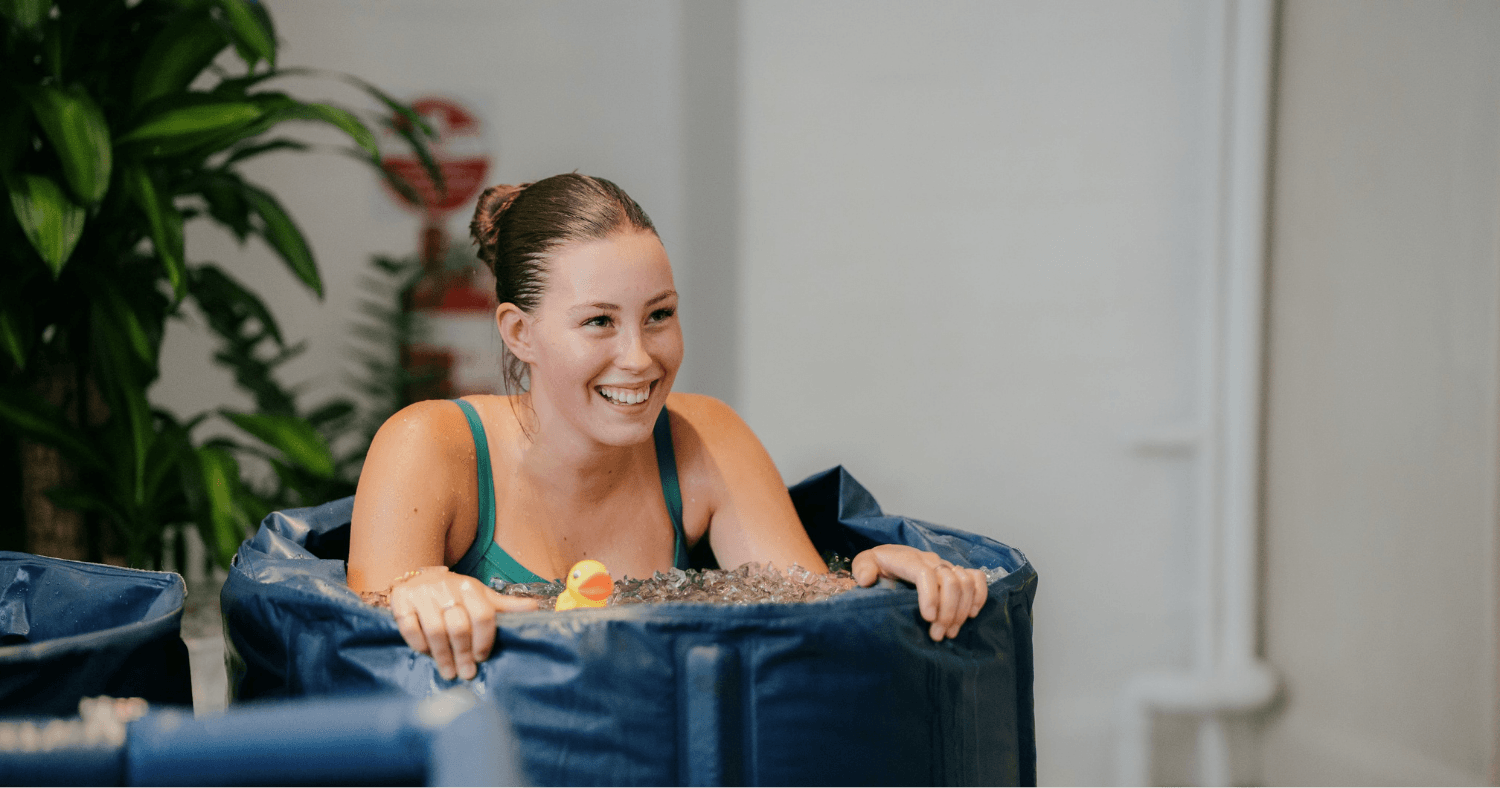
Camilla recommends finishing a regular shower with around 30 seconds of cold water. She enjoys the feeling of alertness and resilience it gives her, and even talks about combining it with singing or humming as part of her morning routine.
Cold exposure is being studied for its effects on mood, stress and recovery, but many popular claims remain uncertain. It's also not appropriate for everyone, particularly people with certain cardiovascular conditions.
2. Breathwork
Breathwork is one of Camilla's most accessible recommendations. She describes using slow, deliberate breathing to help herself wind down before sleep, as well as taking short breathing breaks throughout the day.
Slow breathing exercises can help some people manage stress and encourage relaxation. They require no equipment and can be incorporated into an existing routine.
3. Mindset
Camilla's final recommendation is about how you approach your health. Rather than seeing ageing as an inevitable loss of capability, she encourages people to take an active role in maintaining their wellbeing.
For her, that means making time for the habits that support health, believing they're worth prioritising and recognising that small actions can add up over time.
How to Start Biohacking Without Overcomplicating Your Health
One of the most useful examples Camilla shares is how she adapts her routine when she's short on time.
On the morning of the podcast recording, she didn't have time for everything she would normally do. Instead, she took a short cold shower, practised some humming, spent ten minutes using red light therapy and parked further away from the train station so she could walk more.
Not every habit needs to be a dedicated session or an elaborate routine.
If you're interested in biohacking, start by identifying an area you'd like to improve, whether that's sleep, fitness, energy or recovery.
Choose one realistic change, practise it consistently and assess whether it's helping.
That could mean establishing a more regular bedtime, incorporating strength training into your week, taking screen-free breaks during work or making time for daily movement.
You can explore more advanced interventions later, but they shouldn't replace the foundations.
Can You Take Biohacking Too Far?
Camilla's interest in biohacking began during a difficult period of personal health challenges, when she was searching for answers and ways to feel better. That experience led her to explore a wide range of testing, treatments and lifestyle interventions.
But one of her biggest lessons has been learning to let go of perfectionism. Towards the end of the conversation, she reflects on how easily trying to optimise every part of your health can become overwhelming.
When you're constantly searching for the next improvement, it can be difficult to recognise what you're already doing well. Biohacking should help you make more informed decisions about your health, not create an endless list of things you feel you need to do.
And sometimes, the most useful change is simply choosing one thing and getting started.
Listen to the Full Episode
In this episode of Raise the Bar, Ariel Comeau and Matt Duncan sit down with Camilla Thompson to explore what biohacking actually means, how to personalise your approach to health, the role of wearables and supplements, brain health and longevity, and why improving your health doesn't have to mean doing everything.
Find it on Spotify, Apple Podcasts, and YouTube.
TL;DR
(Too long, didn’t read)
- Biohacking means making intentional changes to support how your body functions and your long-term health.
- It includes everyday habits as well as more advanced treatments and technologies.
- Some biohacking methods have strong scientific evidence, while others are still being researched.
- Camilla's favourite paid biohacks are red light therapy, sauna and hyperbaric oxygen therapy.
- Her three free recommendations are cold showers, breathwork and mindset.
- Start with sleep, movement, nutrition and other foundational habits before exploring advanced interventions.
- Biohacking should help you understand your body, not leave you feeling overwhelmed by everything you could be doing.
Now, it's your turn.
Want this straight to your inbox? Sign up to the OneCoach Weekly to get practical tools and tips to take your training, health, and wellbeing to the next level.
And as always, if you need some support to make that happen, our coaches are ready to help. Enquire here.