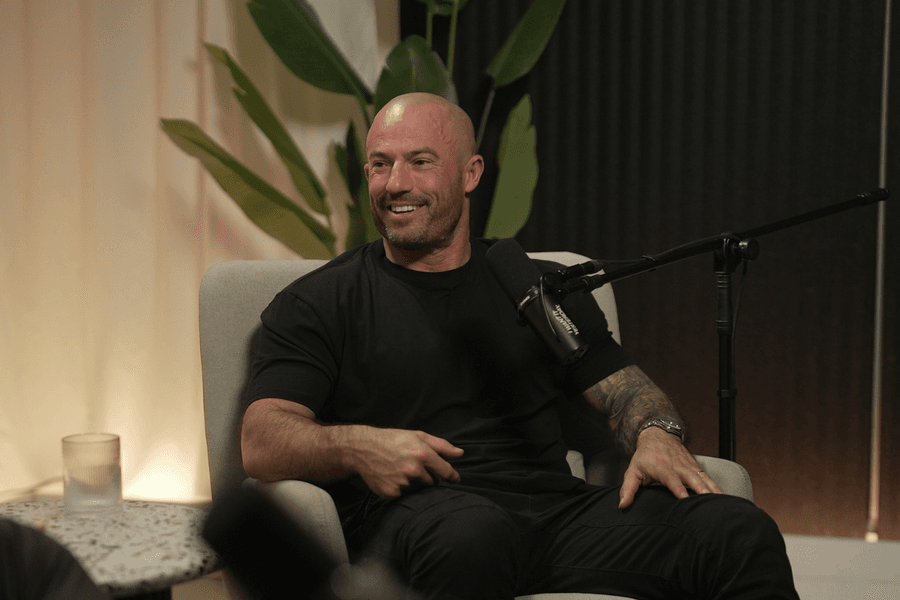
Dr Steven Lu thinks GLP-1 medications could shape this generation's health more than AI.
It's a big call from someone who spent more than 15 years working across neurosurgery, cardiothoracic surgery and intensive care before founding Everlab, a preventative health service.
His view on GLP-1s has changed over time. After watching the research and their use in the real world, he now describes them as a once-in-a-generation tool, with potential that extends beyond weight loss.
But he's equally clear that how they're used is important.
One of his biggest concerns is muscle loss.
When the number on the scale drops, that weight doesn't come exclusively from body fat. Even during weight loss without GLP-1s, some lean tissue can be lost alongside fat.
GLP-1 medications make this particularly relevant because they suppress appetite. If that suppression becomes too aggressive, someone may struggle to consume enough energy, protein and other nutrients to support their body.
Dr Lu describes this as putting the body into a "famine state". Muscle is energetically expensive tissue to maintain, so when energy intake drops significantly, the body can break down muscle alongside stored fat.
Someone can therefore be losing weight exactly as intended while also losing tissue they'd rather keep.
Why GLP-1s could have an impact beyond weight loss
Dr Lu wasn't always convinced by GLP-1 medications. Everlab introduced its own GLP-1 service only after he had spent time looking at the clinical research and what was happening as the medications became more widely used.
What changed his view was their potential beyond simply reducing body weight.
In the podcast, he discusses their use in people with insulin resistance and hormonal conditions such as PCOS. His own wife, for example, uses a GLP-1 despite having a BMI of 21 because she has PCOS and insulin resistance.
That's part of the reason he's so optimistic about where these medications could go. For Dr Lu, they're another medical tool that can be used to address specific health problems, rather than simply a way to make someone smaller.
But, as with any medical intervention, the outcome depends partly on how that tool is used.
Why is keeping muscle important?
Muscle isn't only about strength or how you look. It plays an active role in your metabolic health, physical function and how well your body handles glucose.
When your muscles contract, they take up glucose from your bloodstream to use for energy. Having more muscle also gives your body greater capacity to store glucose as glycogen, helping with blood sugar regulation and insulin sensitivity.
Then there's what muscle allows you to do. It supports your strength, movement and ability to perform everyday tasks, and preserving it becomes increasingly important as you get older. We naturally tend to lose muscle with age, so starting from a lower level can make maintaining strength and physical independence later in life harder.
Muscle is also metabolically active tissue, meaning it requires energy to maintain even when you're at rest. The amount isn't enormous, but it contributes to your overall energy expenditure and is another reason body composition can tell you more than body weight alone.
So when weight loss includes a significant amount of muscle, you're not simply becoming lighter. You're losing tissue that plays several important roles in your health and how your body functions.
How do you protect muscle on a GLP-1?
Dr Lu's point isn't that muscle loss is inevitable if you take a GLP-1. It's that the medication needs to sit within a bigger plan.
1. Keep resistance training
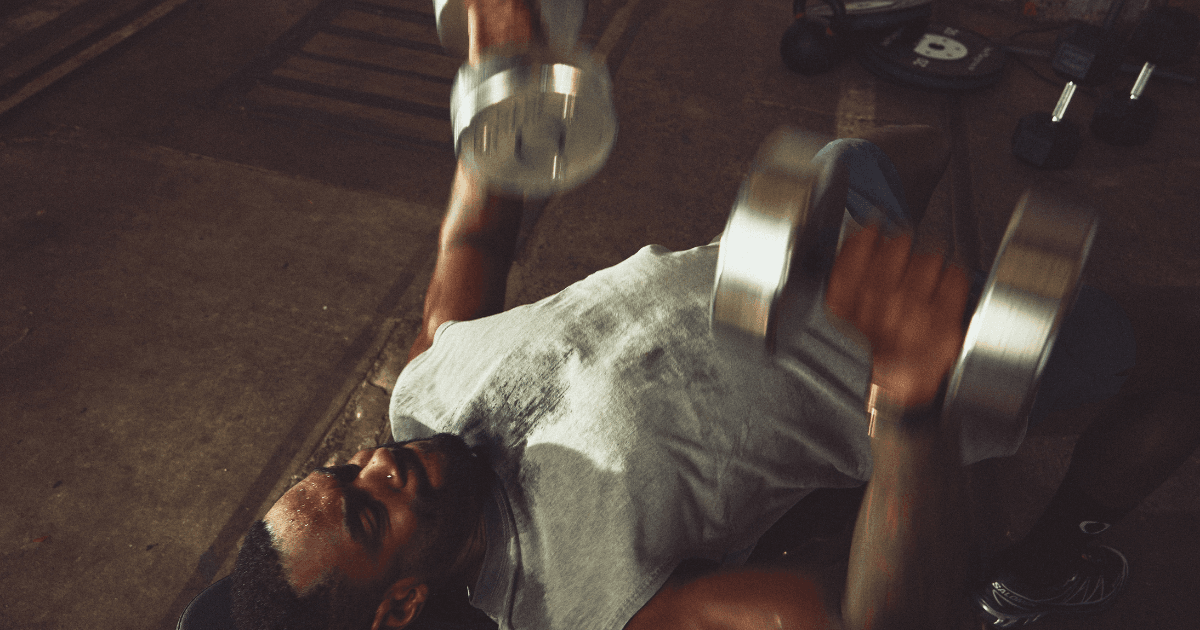
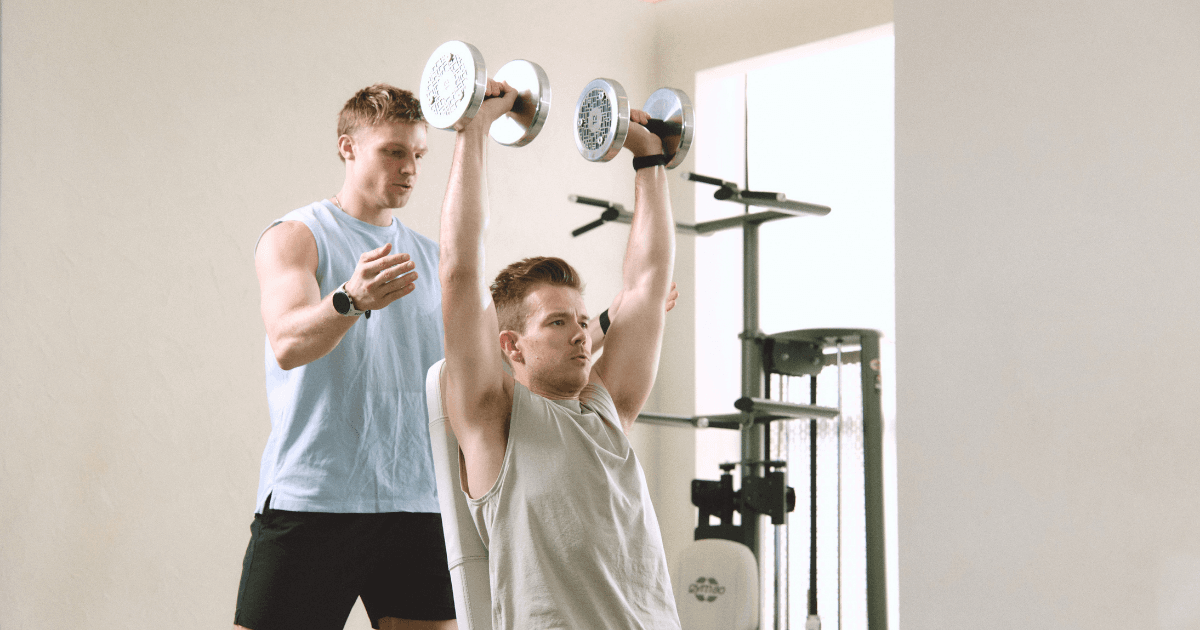
If maintaining muscle is the goal, resistance training is one of the most important things you can continue doing while losing weight, by giving the body a repeated signal that the muscle is still needed.
That doesn't mean you need to suddenly double the amount you train. It means making strength work part of the plan rather than waiting until after the weight has come off to think about rebuilding what you may have lost.
2. Prioritise protein
Resistance training gives your body a reason to keep muscle. Protein gives it the raw materials to maintain and repair it.
Protein is broken down into amino acids, which your body uses to build and repair muscle tissue. During weight loss, getting enough becomes particularly useful because you're trying to preserve muscle while your overall energy intake is lower.
That can be harder on a GLP-1. When your appetite drops, your total food intake often drops with it, so protein can easily fall too.
In the podcast, Dr Lu discusses getting enough protein overall and spreading it across the day rather than trying to fit most of it into one meal.
If you're eating considerably less than you used to, protein may need to become something you plan for deliberately rather than assuming you'll get enough.
3. Look beyond the number on the scale
If your only measure of progress is body weight, every kilogram lost looks the same.
But a scale can't tell you how much of that change came from fat and how much came from lean tissue.
Dr Lu uses DEXA scans with his patients to distinguish between changes in fat mass, lean mass and bone density. That doesn't mean everyone losing weight needs regular DEXA scans, but it demonstrates why body weight alone gives you an incomplete picture.
Your strength, training performance and how you're feeling can provide useful context too.
The dose can change the outcome
Suppressing appetite is part of how GLP-1 medications work. But if the dose suppresses it to the point that you're struggling to get adequate nutrition, what started as a useful effect can begin working against you.
Dr Lu describes this as a "feature becoming a bug".
At Everlab, he says they use the lowest appropriate dose alongside clear targets and ongoing support, rather than prescribing the medication and waiting months to see what happens.
That follow-up creates opportunities to adjust the dose and nutrition as someone's weight and body composition change.
It also reflects the broader point Dr Lu makes throughout the episode: a GLP-1 isn't a standalone solution. It's a medical intervention that needs to be appropriate for the individual, prescribed and monitored by a healthcare professional, with nutrition, movement and muscle preservation considered alongside it.
Use the tool, but use it well
Dr Lu is extremely optimistic about GLP-1s. The point isn't to avoid them because muscle loss can happen.
It's to use them in a way that gives you the benefits without unnecessarily sacrificing muscle along the way.
That means looking beyond how quickly the number on the scale is falling. Keep resistance training. Eat enough protein. Consider what is happening to your body composition. And work with your prescribing healthcare professional to make sure the dose and approach continue to be appropriate for you.
If you're using a GLP-1 to improve your health, maintaining the muscle that supports your health should be part of the plan too.
Listen to the full podcast
Hear the full conversation with Dr Steven Lu on Raise the Bar, where he explores GLP-1s, preventative healthcare, insulin resistance, hormones, health testing and what our data can tell us about our long-term health.
Find it on Spotify, Apple Podcasts, and YouTube.
TL;DR
(Too Long, Didn't Read)
- GLP-1 medications have potential beyond weight loss, with Dr Lu discussing their use in areas including insulin resistance and PCOS.
- Weight loss doesn't come exclusively from body fat. Some lean tissue can be lost too.
- If appetite suppression becomes too aggressive, inadequate energy and nutrient intake can increase concerns around muscle loss and malnourishment.
- Muscle supports glucose management, strength, physical function and healthy ageing.
- Resistance training gives your body a reason to maintain muscle, while adequate protein provides the amino acids needed to maintain and repair it.
- Scale weight can't distinguish fat loss from muscle loss, so it only tells you part of the story.
- Dose and ongoing medical management are an important part of using GLP-1 medications appropriately.
For now, it’s your turn.
Want this straight to your inbox? Sign up to the OneCoach Weekly to get practical tools and tips to take your training, health, and wellbeing to the next level.
And as always, if you need some support to make that happen, our coaches are ready to help. Enquire here.