Sydney has one of the largest and most competitive fitness markets in Australia, which means it also has one of the largest concentrations of personal training course providers.
Searching for an accredited course in Sydney returns options ranging from large national RTOs with a campus in the city to boutique providers running everything from a single inner-city facility.
Before comparing specific providers, it helps to understand what accreditation actually guarantees in NSW, what genuinely differs between providers operating in Sydney, and the practical, local factors that often get overlooked until partway through a course.
What does accreditation actually mean in NSW?
The Cert III and Cert IV in Fitness are nationally recognised qualifications, which means accreditation works the same way in Sydney as it does anywhere else in Australia. A provider must be a Registered Training Organisation to legally deliver these qualifications.
There is no separate or additional NSW-specific accreditation layered on top of this. A Sydney-based provider is held to the same national standard as a provider in Melbourne, Perth, or regional Queensland.
What differs between Sydney providers is not the accreditation itself, but everything around it: where training actually takes place, who delivers it, and how well it connects to the local job market you are trying to enter.
Local employment pathways are worth more than they sound
One advantage of studying with a Sydney-based provider that is genuinely embedded in the local fitness industry is the employment network that comes with it. A provider with relationships across Sydney gyms, studios, and facilities can connect graduates to real opportunities in suburbs and areas they can actually work in, rather than a generic national job board.
This matters more in a city like Sydney than it might elsewhere, simply because of how localised the fitness industry is here. A gym in Surry Hills and a gym in Parramatta operate in fundamentally different markets with different client bases, price points, and cultures. A provider who understands and operates within the specific pocket of Sydney you want to work in can offer guidance and connections that a purely online or interstate provider cannot.
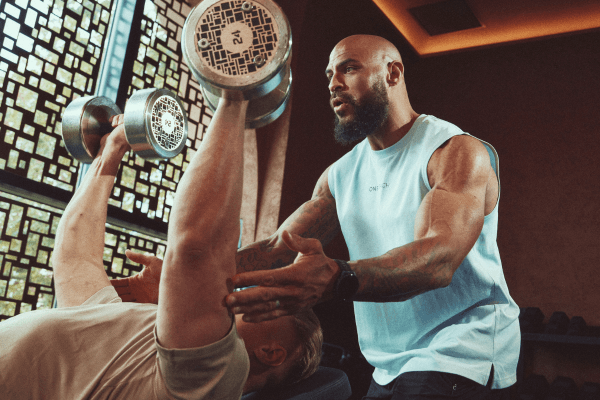
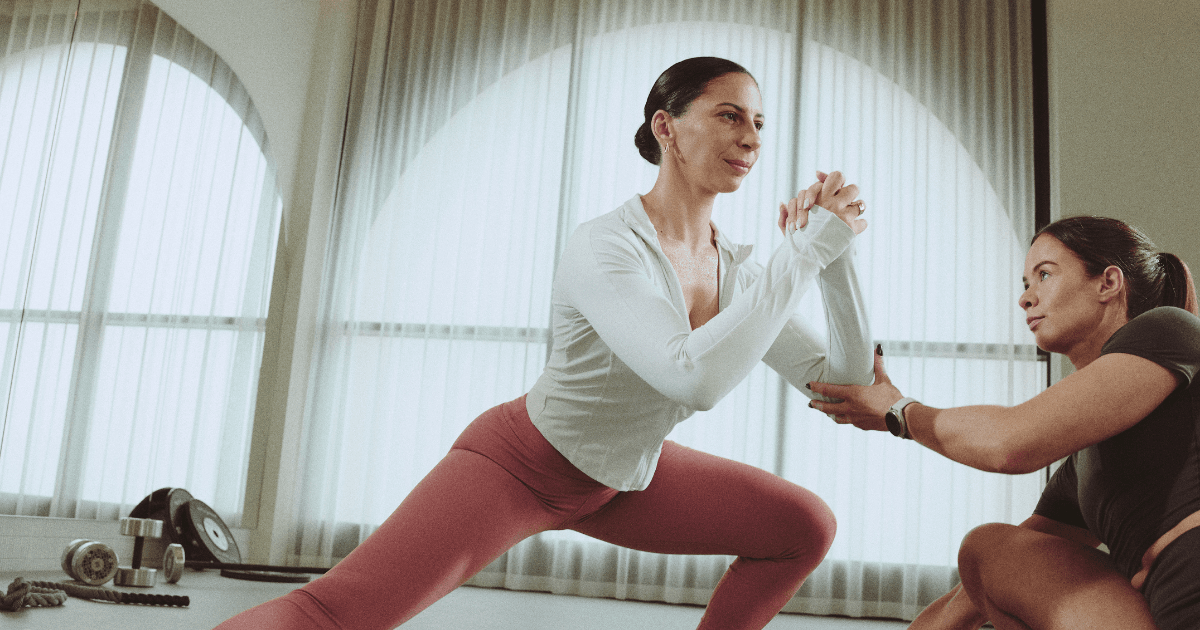
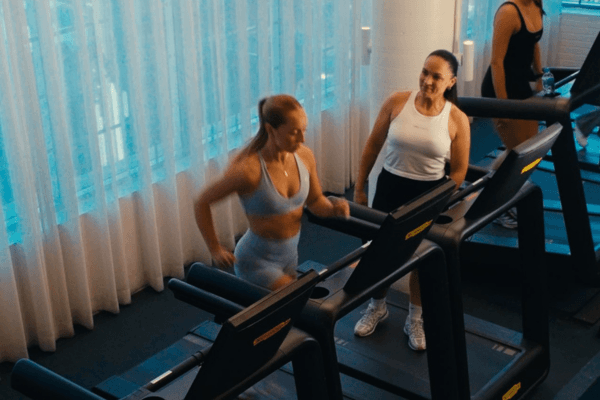
OneCoach Academy delivers Certified Coach through One Playground's Sydney facilities, with practical training and real client experience built directly into the local gym network that students are likely to work in after graduating.
Can you study online from Sydney and still get a recognised qualification?
Yes. Online providers operating anywhere in Australia can deliver a nationally recognised Cert III and Cert IV to students based in Sydney, and the qualification itself is identical regardless of where the provider's head office sits. If flexibility is your primary concern, this remains a legitimate option.
What you give up with a fully online, non-local provider is the local practical experience, the relationships with Sydney gyms and facilities, and a network that understands the specific market you are trying to enter. For a deeper comparison of the two formats generally, our guide on online versus in-person personal training courses goes into more detail.
What you need to enrol
Enrolment requirements are consistent across NSW providers and are not particularly onerous. Most courses require you to be over the relevant minimum age (usually 18, though some accept younger students with parental consent), hold a current first aid and CPR certificate (or be willing to obtain one early in the course), and meet basic English language and numeracy requirements, since the course involves written assessments and client documentation.
Some providers also require a current police check before you begin working with clients during practical placements, given the nature of the role. It is worth confirming this requirement and any associated cost or processing time before your enrolment date, since police checks can take several weeks to process.
What comes after you qualify in NSW
Once qualified, your Cert III and Cert IV are recognised nationally, meaning you are not restricted to working in Sydney or even NSW if your plans change. In practice, most graduates who study locally tend to begin their careers locally, simply because that is where their practical experience, professional relationships, and confidence are strongest.
From there, the typical next steps are the same as anywhere in Australia: securing professional indemnity insurance, registering with an industry body such as Fitness Australia or AUSactive, and beginning to build a client base, whether through employment at a gym or studio, or as a self-employed coach.
Questions worth asking, with Sydney in mind
A few of these apply anywhere in Australia, but they carry extra weight in a city as spread out and competitive as Sydney:
- Is the practical training delivered locally? Sydney's gym market is dense and competitive, and training in local facilities builds familiarity with how Sydney gyms actually operate.
- Does the provider have relationships with Sydney gyms and studios? Employment pathways are far more useful when they connect to facilities you can realistically work in.
- What suburb or campus will you be training in? A 60-minute commute difference can be the deciding factor in whether a course is sustainable for six months.
- Are practical sessions during the week or on weekends? Sydney's traffic and public transport patterns make weekend scheduling significantly easier for most working students.
- What is the real cost of getting to and from the campus during the course? Parking, transport, and time costs in Sydney are meaningfully higher than in regional areas and worth factoring into your decision.
The bottom line for Sydney-based students
Accreditation is the same wherever you study in Australia, so it should never be the only thing you compare. What genuinely differs between Sydney providers is where training actually happens, how well it connects to the local job market, and whether the practical experience reflects the kind of gyms and clients you will actually work with once qualified. Weighing those local factors alongside accreditation gives a much clearer picture of which provider is right for you.
Certified Coach starts 13 July 2025
Delivered through One Playground's Sydney facilities, with real client experience built into the program from the ground up.