At 48, Dr Gordon Spence was ten kilos heavier than he is now. He was getting sick three or four times a year and wasn't sleeping well. With fifty coming over the horizon, he knew something needed to change.
He'd loved running since he was a kid, trailing his dad on training runs, before life got busy and it gradually dropped away. So at 48, he picked it back up. First, he set himself a goal to run another marathon before he turned fifty. Then came a second: a brutal trail run through the Blue Mountains.
By then, Dr Gordon Spence had spent more than 20 years working in coaching psychology, including executive and leadership coaching and lecturing at the University of Sydney. His work had long been focused on what helps people change their behaviour, set meaningful goals, and follow through on them.
So as Gordon found his own way back into running, he became interested in other people his age trying to do much the same thing. What helped someone return to exercise after years away? And, perhaps more importantly, what helped them keep going?
He interviewed a group of people about their experiences, and a pattern started to emerge.
In his fifties, Gordon went back to study exercise science, adding another layer to what he'd already learned through psychology and coaching. That combination eventually became the 4-Stage Health Activation Process: a framework for people trying to become active again and, importantly, stay that way, which he covers in his book Get Moving, Keep Moving.
Whether you’re coming back to exercise after a break or keen to break the cycle of starting over and dropping off, this process is a clear way of developing a system that lasts even when the initial burst of motivation fades.
The 4-Stage Health Activation Process
1. Reflect
Before anything else, Gordon has people look back, not forward.
He asks them to think about a time when moving their body actually felt good. For Gordon, that was running with his dad. For one person he interviewed, it took her doctor asking a simple question, what did you love doing as a kid, before she landed on it herself.
The exercise follows your timeline. What were you doing at seven? At fifteen? At twenty-five?
It doesn't have to be an organised sport. Maybe you had a paper round, went dancing, played outside, or rode your bike everywhere because it was faster than walking.
The point is to reconnect with the fact that movement hasn't always felt like something you should do. At some point, it may have simply been something you enjoyed.
2. Project
Next, look towards the future and create a picture of who you want to be and what you want to be doing in twenty or twenty-five years.
Maybe you want to still be travelling, hiking, playing with your grandkids or simply able to do the things you enjoy without your body getting in the way.
Gordon calls this a healthy aging statement.
Smaller goals, like training three times a week or hitting ten thousand steps, then sit underneath that bigger picture.
The problem is that over time, those smaller goals can become the focus. You start chasing the steps, sessions, or numbers and forget what they were supposed to be helping you build. The plan might still be working on paper, but you've lost connection with the reason you wanted to follow it in the first place.
3. Inspect
This is the pause before you actually start.
There's a physical side: is your body ready for what you're about to ask of it, particularly if you've been inactive for a while? Depending on your circumstances, a check-in with a GP or physio may be worth doing here.
There's a psychological side too. Why are you actually doing this? Gordon's research looks at where motivation is coming from, not how much of it you have. Guilt can get you started. Believing in it, or seeing it as part of who you are, is what keeps you going once the guilt wears off.
But motivation that's connected to something you value, or to the kind of person you see yourself becoming, has a better chance of surviving once that initial pressure wears off.
Gordon describes the process as doing "headwork before they do the legwork," and Inspect is where much of that headwork happens.
4. Connect
The final stage is building what Gordon calls a physical activity ecosystem: the people, environment, and systems around you that make following through with what you’ve set out to do easier and make relying on willpower less necessary.
- Community and people: Who's actually training with you.
- Support system: Who's making it easier for you to keep going, even if they're not exercising alongside you.
- Environment: The spaces you train in and whether they help or get in the way.
- Systems and tools: Your program, your calendar, and whatever keeps you accountable when nobody's watching.
Gordon has people draw a circle on a page and map what's actually sitting in each of these four areas. Then he has them do it again for what's working against them.
Maybe your partner makes it easier for you to get out for a run. Maybe your work schedule makes your planned training time almost impossible. Maybe you've joined a gym that's technically convenient, but you don't actually enjoy being there.
Once it's on paper, the things helping or hindering you tend to become much easier to see.
Start Before You Start
Most attempts to get active again begin with action. Join the gym. Buy the shoes. Book the classes. Write the program. Decide that this time you're going to stick to it.
Gordon's framework starts earlier.
It asks you to understand your history with movement, decide what you're actually working towards, examine what's driving you, and then build an environment that supports it.
Because motivation probably won't feel the same six months from now as it does on day one. It doesn't need to.
The goal is to build something that can keep going when motivation isn't doing all the work.
Listen to the full episode
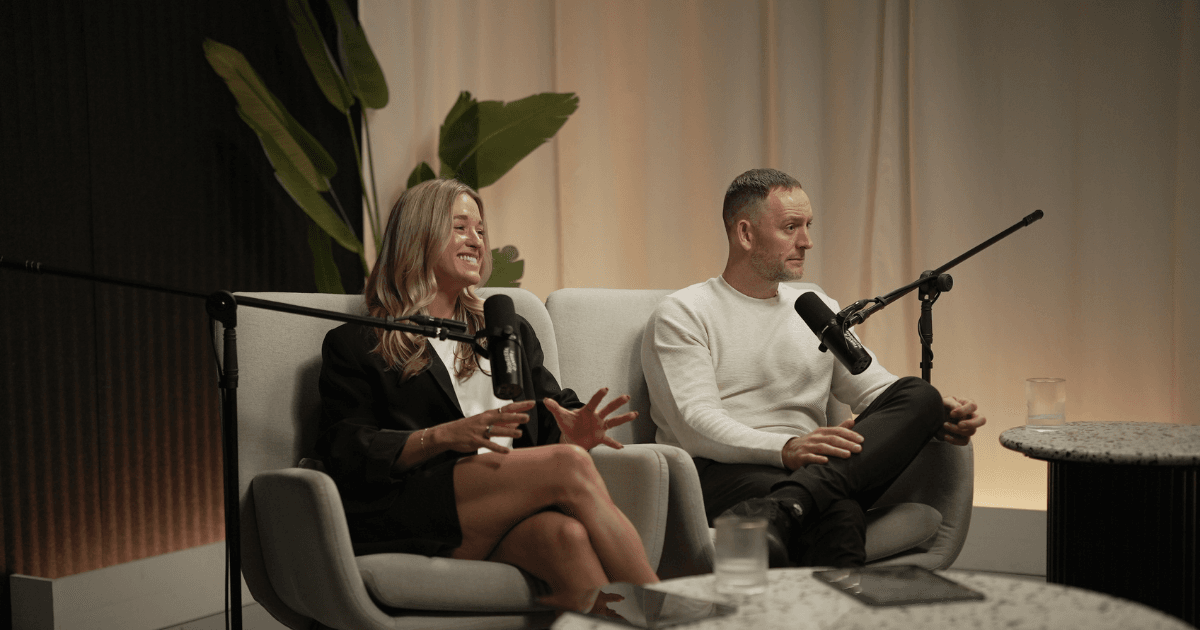
In the full episode of Raise the Bar with Dr Gordon Spence, they also get into why New Year's resolutions rarely make it past January, what actually happens in someone's brain the moment they're asked a question they don't have an answer to, and the real story behind Gordon's dad making his competitive rowing debut at 85.
Listen on Spotify, Apple Podcasts, and YouTube.
TL;DR
Too long, didn’t read.
- Gordon Spence's 4-Stage Health Activation Process is designed to help people become active and stay active
- Reflect: reconnect with times when movement felt good
- Project: create a long-term vision that gives smaller goals a purpose
- Inspect: check your physical readiness and where your motivation is coming from
- Connect: build the people, places, and systems that make consistency easier
For now, it’s your turn.
Want this straight to your inbox? Sign up to the OneCoach Weekly to get practical tools and tips to take your training, health and wellbeing to the next level.
And as always, if you need some support to make that happen, our coaches are ready to help. Enquire here.